
Lesbian Sex Positions
Lesbian sex positions are the body arrangements used during sexual activity between women. They include face-to-face, side-lying, seated and reclining positions; names such as 69 and scissoring refer to more specific arrangements or activities.

There is no single position that defines lesbian sex. Sexual identity does not establish someone's anatomy, preferred activities or role: health guidance describes women who have sex with women as a diverse group with different practices.[1]
Understanding position names
A position describes how bodies are arranged. An activity describes what partners are doing. Side-lying, for example, is a posture rather than a specific sexual act; the same general posture can accompany different forms of intimacy.
Position names are not a standardized medical classification. Descriptive terms such as face-to-face or seated are often clearer than a novelty name because they identify an observable feature without implying a particular result.
A position also does not establish who is dominant, who is more experienced or whether either person reaches orgasm. Body arrangement, relationship roles and subjective experience are separate questions.
Common body arrangements
These broad descriptions identify posture and support. They are not a ranking of positions or a sequence that partners need to follow.
Face-to-face
Face-to-face means that partners face one another. It can describe a seated embrace, a reclining arrangement or both partners lying on their sides. The term alone does not identify a particular form of genital contact.

Side-lying and spooning
Side-lying means that the torso rests on one side. Partners may face one another or face the same direction; the latter arrangement is commonly called spooning. Spooning can also mean nonsexual cuddling.
Both bodies can be supported by the bed in a side-lying arrangement. That physical difference is worth distinguishing from a guarantee of comfort: a particular posture may still be unsuitable for someone with shoulder or hip pain.
Reclining
Reclining includes lying on the back or resting with the upper body partly raised. The label describes the resting person's posture rather than what their partner is doing.
A photograph may show a reclining person beside a seated or kneeling partner. Describing both postures is more informative than assigning the entire scene a single name.
Seated and lap positions
Seated positions include partners sitting alongside one another, facing one another or sharing lap space. A straddling posture means that someone's legs are on either side of their partner. Neither the seated arrangement nor straddling necessarily establishes penetration.
Kneeling and standing
Kneeling and standing describe different ways of supporting body weight. They are broad posture terms, not distinct sexual activities. A pose that depends on sustained balance or pressure through a joint should not be assumed to suit every body.
Activity-specific terms
Some familiar names combine a body arrangement with a particular activity. These terms overlap with the broader posture descriptions above.
Oral-sex arrangements and 69
Cunnilingus means oral contact with the vulva. The receiving partner's posture can vary, so the activity does not have one compulsory position.
69 refers to simultaneous reciprocal oral sex, with partners oriented in opposite directions. Descriptions include arrangements with one partner above the other and versions with both partners on their sides.[2]

Reciprocal activity does not establish equal enjoyment, and simultaneous stimulation is not the same as simultaneous orgasm. Taking turns is another way partners can share an activity; neither arrangement is a measure of relationship equality.
Tribbing and scissoring
Tribbing, or tribadism, refers to genital rubbing against a partner's body. Scissoring commonly describes a related arrangement involving crossed or interlocking legs. Informal usage varies, and not every example of genital rubbing has the same leg position.[3]
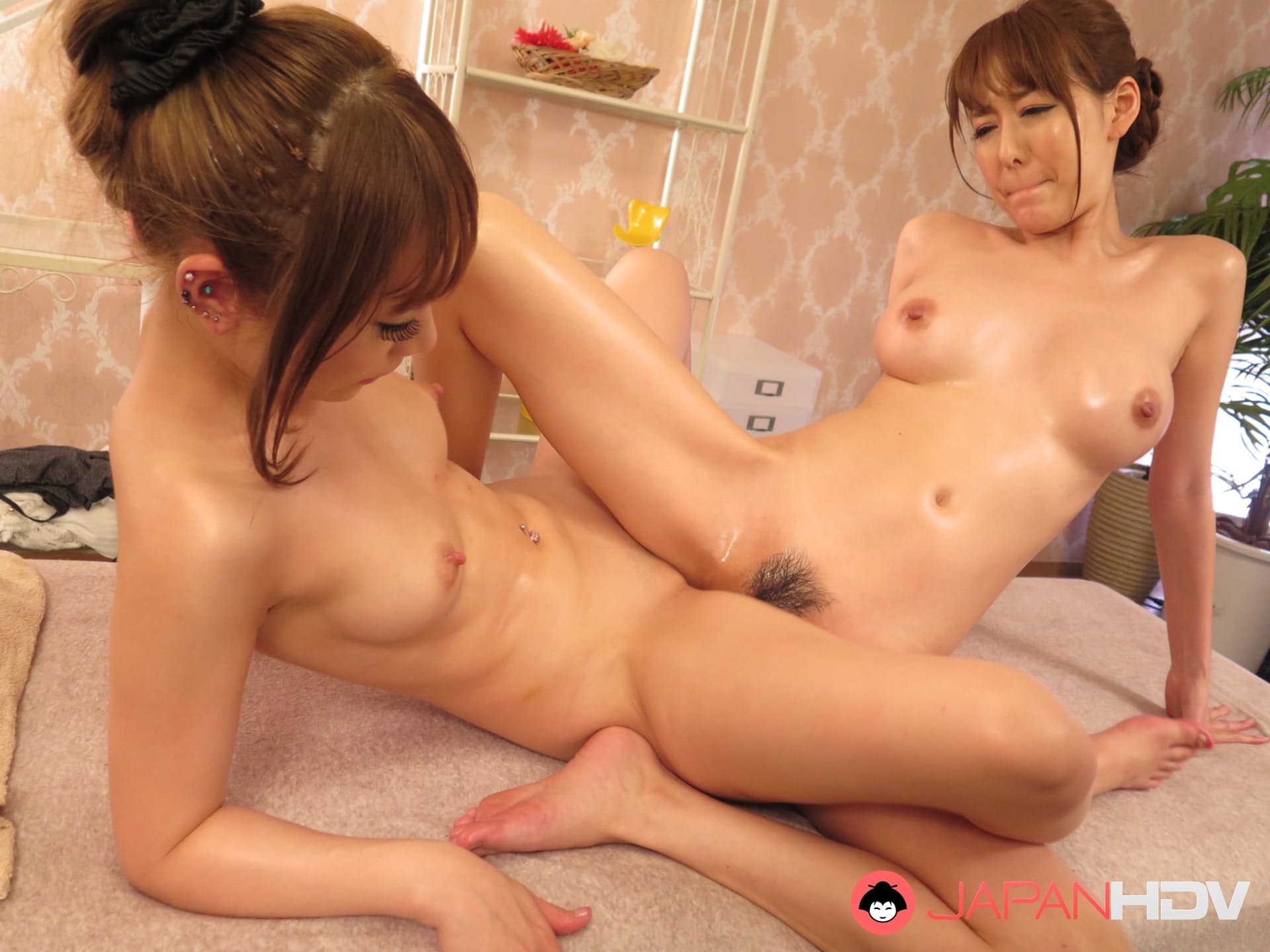
Scissoring is one possible activity rather than a requirement for sex between women. A visible leg arrangement does not establish the exact contact involved or whether either partner finds it comfortable.
Toys, penetration and roles
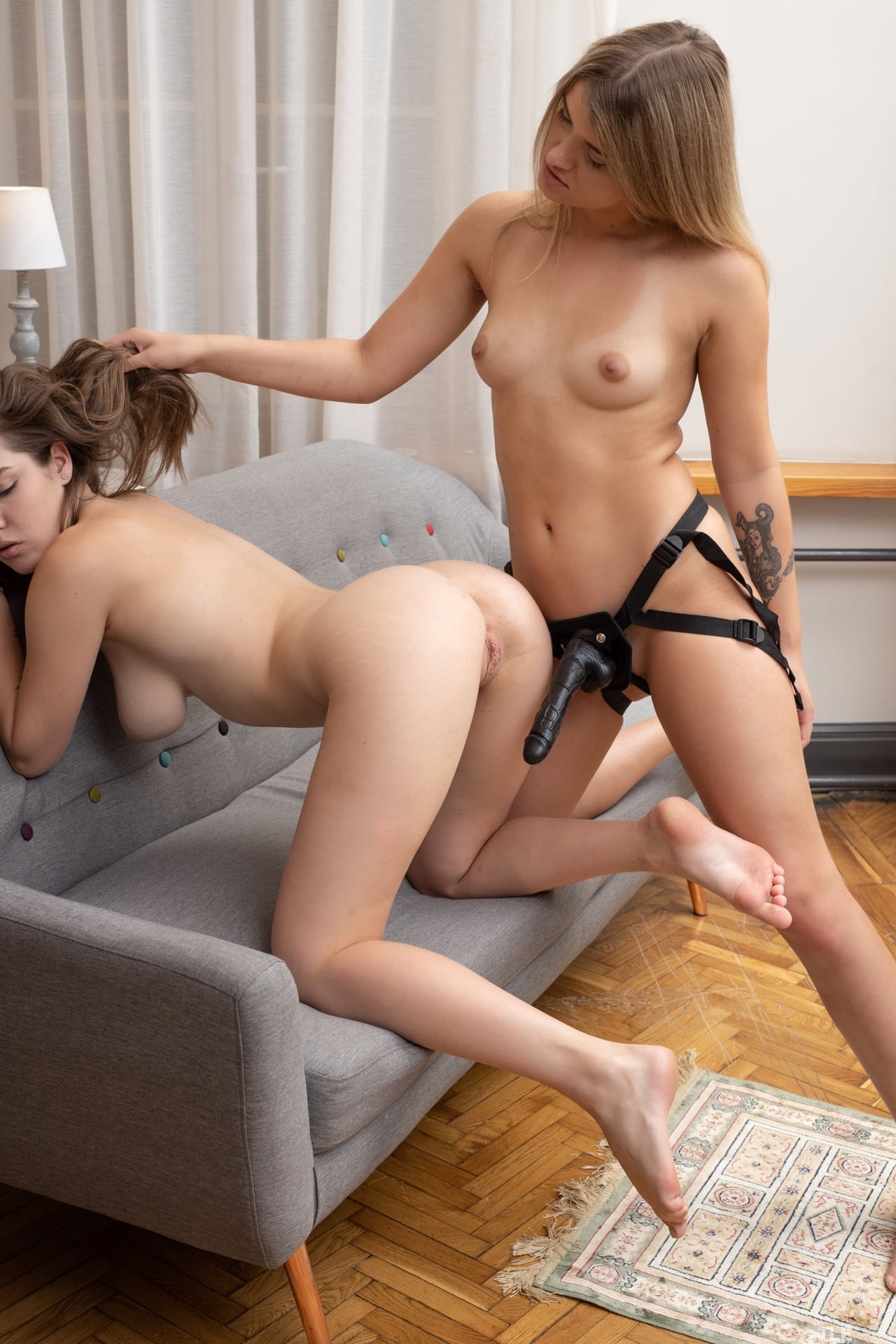
A dildo or other sex toy does not define a single posture. Strap-on describes a harness-mounted toy, while terms such as face-to-face, side-lying or receiver on top describe body arrangement. Equipment and posture should be identified separately.
The words giving and receiving can describe a particular activity without assigning permanent roles. Use of a toy does not establish anyone's gender identity or mean that one partner is “the man”.
Seated arrangements
A seated lap arrangement can be face-to-face or rear-facing. The direction a person faces and the use of a harness are separate visible features.

Rear-entry arrangements
Rear-entry describes orientation during penetration rather than identifying the body opening involved. Vaginal and anal use have different anatomical and hygiene considerations; a position name should not be used as a substitute for a clear description of the activity.
Comfort and accessibility
Comfort depends on the people involved rather than the position's name. Cambridge University Hospitals describes pain, restricted joints, muscle tension and fatigue among factors that can affect intimacy. Its advice includes adjusting positions, using cushions for support and taking breaks.[4]
Physical support and sexual pleasure are different outcomes. A posture that looks relaxed can still be uncomfortable, and an elaborate pose does not demonstrate greater enjoyment. Partners' reports matter more than how a position appears in a photograph.
Pain is a reason to pause and reassess rather than a necessary stage of becoming accustomed to a position. Persistent pelvic pain may warrant assessment, including support from a pelvic health professional.[4]
Dryness can cause discomfort independently of posture. Hormonal changes and certain medicines are among its possible causes; NHS guidance includes water-based lubricant and medical advice when symptoms persist or there is bleeding after sex.[5]
Consent applies to the activity and to changes in it. Agreement to one posture does not automatically include a different activity, penetration or use of a toy. Either partner can ask to stop.
Sexual health
No position makes sex between women automatically free of infection risk. The relevant factors include the infection, skin contact, exposure to secretions and shared equipment. HPV and herpes can be transmitted between female partners.[1]
Barrier options include dental dams for oral contact, gloves for manual contact and condoms on compatible shared toys. Cleaning shared toys and considering appropriate barriers are risk-reduction measures; changing posture does not replace them.[1]
Sexual orientation also does not remove the need for appropriate STI testing or cervical screening. Health discussions should concern actual activities and anatomy rather than assumptions based on a position name.[1]
Related terms and topics
Related search terms describe different aspects of the topic:
- lesbian sex positions and sex positions for women: broad search labels.
- side-lying and spooning: body arrangements that can also be nonsexual.
- 69: reciprocal oral sex.
- tribbing, tribadism and scissoring: overlapping activity and position terms.
- strap-on positions: a search term combining equipment with posture.
See also
References
- ↑ 1,1 1,2 1,3 1,4 CDC. Women Who Have Sex with Women (WSW) and Women Who Have Sex with Women and Men (WSWM). STI Treatment Guidelines, 2021. Sexual practices and health
- ↑ Kassel G. 21 Ways to Increase Your Pleasure in the 69 Sex Position. Healthline, 2021; medically reviewed by Janet Brito. Terminology and position variants
- ↑ Kassel G. Everything You Need to Know About Scissoring. Healthline, 2019. Definitions and variation
- ↑ 4,1 4,2 Cambridge University Hospitals NHS Foundation Trust. Chronic pain and intimacy. Approved 2024. Comfort, support and communication
- ↑ NHS. Vaginal dryness. Reviewed 2025. Causes, self-care and when to seek advice